1.3 A Changing Population: Who Will Provide the Care?
Introduction:
In 2030, for the first time in American history, there will be more people over age 65 than there are under age 18. What implications does this have to how we function as a society? What are the opportunities and challenges facing caregivers as the number of older adults who need assistance grows. Are we prepared? What are the "real" statistics around population growth? Let's explore:
View the video:
Opens the original video in a new tab.
Population Pyramids: From Pyramid to Pillar
Have you ever seen a population pyramid? Demographers use these graphs to illustrate the age and sex distribution of a population. Traditionally, they have a broad base representing younger people and a narrower top representing older people.
Take a look at the population pyramid below. Notice how the 2010 and 2019 populations have been overlaid, allowing us to see how the distribution has changed over time.

What we're seeing is a gradual transformation of the traditional pyramid into something more closely resembling a pillar. The proportion of older adults is increasing, while younger age groups represent a smaller share of the population.
In 2024, approximately 61.2 million Americans were aged 65 or older, representing 18% of the population. Twenty years earlier, older adults represented approximately 12.4%. Meanwhile, the proportion of children under age 18 declined from 25% to 21.5% over the same period.
Why does this matter for caregiving?
Historically, many families have relied on adult children and other relatives to provide assistance to older family members. But families are changing. People are having fewer children, relatives may live hundreds or thousands of miles apart, and many caregivers are balancing employment, parenting, and care responsibilities simultaneously.
We also need to recognize that older adults themselves are frequently caregivers. A 75-year-old may be caring for a spouse who is 82, while managing their own health and financial responsibilities.
The shape of the population doesn't determine how much care any particular person will need. It does, however, help us understand why the availability of caregivers, community services, and long-term care resources is becoming an increasingly important public policy issue.
Consider this: If families are becoming smaller and people are living longer, what happens when an older adult needs assistance but has no family members nearby or available to help?

Lifespan vs. Life Expectancy
How long do we live? That's an interesting question, and the answer depends on what we're measuring.
Two terms frequently appear in discussions about population aging: lifespan and life expectancy. Although they're sometimes used interchangeably, they describe different concepts.
Lifespan refers to the length of an individual's life, and maximum human lifespan refers to the greatest age humans have been documented to reach. Life expectancy, on the other hand, is a statistical estimate of how many years people in a particular population can expect to live, based on mortality rates during a specified period.
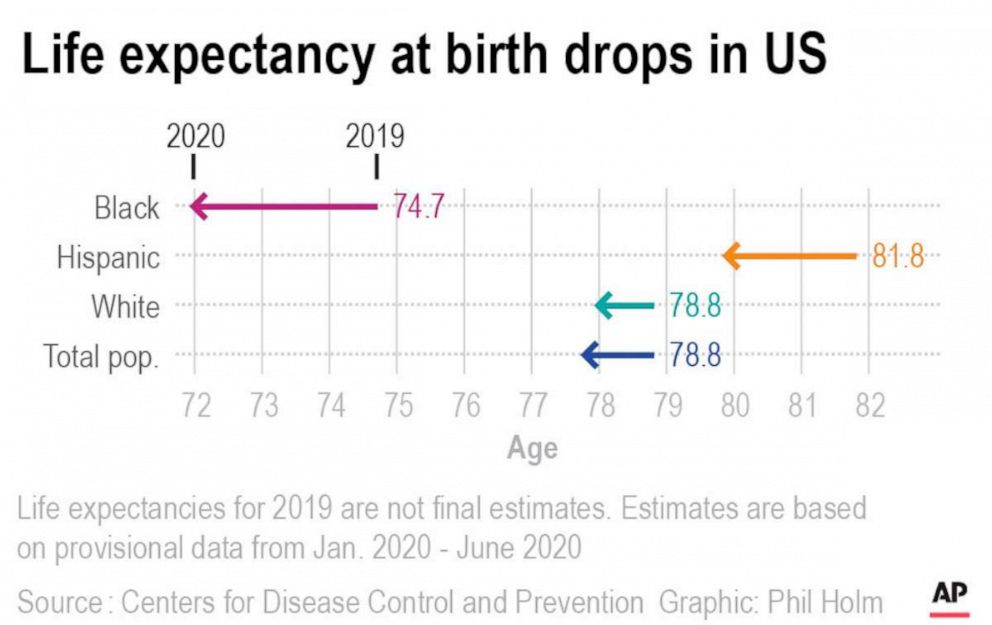
According to the National Center for Health Statistics, U.S. life expectancy at birth reached 79.0 years in 2024, with an average of 81.4 years for women and 76.5 years for men.
But here's something important: life expectancy at birth isn't the same as life expectancy for someone who has already reached an older age. In 2024, Americans who had reached age 65 had an average remaining life expectancy of approximately 19.7 years.
And where someone lives can make a difference.

Caregiving and California
California offers an especially interesting example of what happens when population aging meets public policy. Not only is our older population growing, but that growth is occurring at very different rates across the state.
According to California's Master Plan for Aging, nearly 10 million Californians are projected to be age 60 or older by 2030, representing approximately one-quarter of the state's population.
But California is enormous, and the challenges of providing care in Los Angeles or San Diego may be very different from those in rural Northern California, the Central Valley, or communities along the eastern Sierra.
Population growth is only part of the story. We also need to consider housing costs, transportation, access to healthcare, the availability of paid caregivers, and whether family members live nearby.
California 60+
Let's look at how the older population is distributed across California.
Notice po pulation that population growth isn't occurring evenly across the state. Some counties are experiencing particularly substantial increases in their older populations, while others are growing more slowly.
This matters because planning for caregiving requires more than knowing how many older adults live in a particular community. We also need to understand where they live, what resources are available, and whether the local caregiving workforce can meet their needs.
Consider the practical differences between arranging in-home care in a large metropolitan area and finding someone who can provide the same services in a rural community. Even when two individuals have similar health needs, their access to assistance may be dramatically different.
Now let's look at the population aged 85 and older.
California 85+
is an especially important population for those of us studying caregiving. Although age alone does not determine whether someone needs assistance, the likelihood of experiencing multiple chronic conditions, functional limitations, and cognitive impairment generally increases in advanced old age.
As the population aged 85 and older grows, communities may experience greater demand for home-based services, dementia care, accessible housing, transportation assistance, and long-term care.
But remember that these are population-level patterns, not predictions about particular people. An 88-year-old may be living independently and providing care to someone else, while a 68-year-old may need substantial assistance because of a disabling condition.
Consider this: Look at the two California maps together. If you were responsible for planning caregiver services in one of these counties, what information would you need beyond the number of older residents? Would you be concerned about available workers, family caregivers, transportation, housing, healthcare facilities, or something else?
The answer is probably all of the above!
Caregiving and the Master Plan for Aging
In 2021, California launched its Master Plan for Aging, a ten-year framework intended to prepare the state for its changing population.
The plan recognizes that successful aging involves much more than healthcare. Housing, transportation, financial security, community participation, caregiving, and access to support services all influence whether people can remain healthy and independent as they grow older.
What I particularly appreciate about the Master Plan is that it acknowledges caregiving as an essential part of our social and economic infrastructure. For decades, we have relied heavily on family members, friends, and paid caregivers to provide assistance, often without adequate training, compensation, or support.
The Master Plan attempts to address those challenges through five broad goals.
The Master Plan for Aging's Five Bold Goals for 2030
- Housing for All Ages and Stages
Californians should have access to housing and communities that support people across the lifespan, including those living with disabilities or changing care needs.
- Health Reimagined
Older adults and people with disabilities should have access to healthcare and supportive services that help them maintain health, independence, and quality of life.
- Inclusion and Equity, Not Isolation
People should have opportunities for participation, engagement, and meaningful relationships throughout their lives while being protected from discrimination, neglect, abuse, and exploitation.
- Caregiving That Works
Family, informal, and professional caregivers should have access to appropriate support, training, resources, and employment opportunities.
- Affording Aging
Californians should have the financial security necessary to meet their needs as they grow older, including housing, healthcare, and long-term care expenses.
These goals are interconnected. For example, providing affordable housing may help an older adult remain in the community, but remaining at home may also require accessible transportation, personal assistance, appropriate healthcare, and financial resources.
That's why caregiving policy cannot be separated from the broader circumstances in which people live.
What's the Plan?
The Master Plan includes three strategies specifically focused on caregiving. Let's take a closer look at what these mean.
Strategy A: Family and Friends Caregiving Support
Family caregivers may need assistance learning how to provide care, navigating services, managing employment responsibilities, and protecting their own physical and mental health.
Potential supports include caregiver education, respite services, paid family leave, and assistance coordinating care. However, these resources are not universally available, and eligibility requirements vary considerably.
Strategy B: Good Caregiving Jobs Creation
California also recognizes that professional caregiving is essential work. Supporting this workforce means addressing training, compensation, job quality, recruitment, retention, and opportunities for professional development.
This is particularly important as demand for direct-care workers grows. Families may struggle to find reliable assistance even when they have financial resources or qualify for publicly funded services.
Strategy C: Virtual Care Expansion
Technology offers additional possibilities for supporting older adults and caregivers. Telehealth, remote monitoring, medication management tools, communication technologies, and accessible home systems may help people remain connected and receive appropriate support.
However, technology also introduces challenges involving cost, internet access, digital literacy, privacy, and the ability of individuals to use these systems effectively.
And technology cannot replace every aspect of hands-on caregiving.
From Policy to Practice
California continues to publish reports evaluating progress toward these goals. The fifth annual Master Plan for Aging report, released in January 2026, describes both progress and ongoing challenges associated with funding, implementation, and changing needs.
It's important to understand that a policy goal is not the same thing as an available service. A state may identify the need for greater caregiver support without immediately providing sufficient funding, workers, or programs to meet that need.
As caregivers, knowing that a resource should exist is not quite the same thing as finding a resource that is available, affordable, and appropriate for the person receiving care!
We'll explore those practical complications later in the course when we examine Medicare, Medi-Cal, IHSS, long-term services and supports, and community resources.
Want to Learn More?
If you'd like to explore California's changing caregiving landscape, visit the California Master Plan for Aging.
You can also review its annual reports and data dashboard to see how the state is measuring progress toward its goals.