2.12 The Changing Biology of the Aging Brain2.

When Something Changes, How Do We Know What It Means?
We've spent some time exploring how our brains work, how we learn, and why different aspects of cognition change throughout adulthood. Now we're going to examine something that becomes particularly important when we're providing care: How do we recognize when changes in thinking, behavior, or functioning deserve our attention?
I know what it's like to walk into a room with a perfectly good reason for being there, only to discover that the reason has apparently left without me. I also know that my knees occasionally protest when I've been a little too ambitious about physical activity. Neither experience automatically means something serious is wrong. My knees have a history of injuries, and my brain sometimes has considerably more on its agenda than my working memory can comfortably accommodate.
But what if I suddenly couldn't remember how to find my way home? What if someone who knows me well noticed that my behavior had changed dramatically, or I began having difficulty managing activities I've handled independently for years?
That's a different conversation.
For caregivers, one of the most valuable skills is recognizing the difference between an occasional difficulty, a gradual change in functioning, and a sudden change that may indicate a medical emergency. We aren't expected to diagnose neurological or psychological conditions, but we absolutely need to understand what we're observing and why it matters.
What's Happening Inside the Brain?
Our brains change throughout life. Some changes involve the structure and functioning of brain cells, while others involve the connections that allow different regions to communicate. Certain cognitive processes, particularly processing speed and aspects of attention, may become less efficient with age. But these changes are generally different from the substantial disruptions caused by neurological disease.
Think about the brain as an extraordinarily complicated communication system. Different regions contribute to memory, language, movement, emotions, judgment, perception, and the regulation of bodily functions. When disease or injury affects particular regions or networks, the resulting changes may involve very different abilities.
Someone may develop a movement disorder while retaining strong memory and reasoning abilities. Another individual may experience difficulty forming new memories but remain physically capable. Others may develop changes in behavior, judgment, communication, or perception before significant memory problems become apparent.
Watch: Changes in the Aging Brain
Opens the original video in a new tab.
As you watch, consider the difference between ordinary age-related changes and neurological conditions that interfere with someone's daily functioning. We don't need to memorize every structure in the brain, but we do need to understand that different conditions affect different abilities.
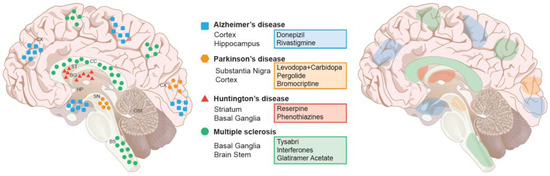
Look at the differences in the regions affected. The purpose of this illustration isn't to turn you into a neurologist. It's to help you appreciate why two people with neurological diagnoses may have entirely different symptoms and caregiving needs.
Nature, Nurture, and the Sunflower Garden
One of the questions researchers have explored for generations is how much of our health and functioning is influenced by genetics and how much is influenced by our environment.
I like to think about this using two sunflower seeds and two gardens.

Imagine that we have two sunflower seeds with different genetic characteristics. One is planted in fertile soil with adequate sunlight and water, while the other is planted in poor soil where conditions are considerably less favorable.
Which plant will grow better?
Well, that depends on both the seed and its environment. A genetically robust seed may struggle under difficult conditions, while a seed with fewer biological advantages may grow quite well when provided with the resources it needs.
Of course, human beings are considerably more complicated than sunflowers. We don't arrive with a fixed biological destiny, and our environments aren't simply divided into good soil and bad soil. But the analogy helps us understand that genetics, medical conditions, exposure to stress, healthcare access, nutrition, relationships, and other circumstances interact throughout our lives.
The same is true of mental and neurological health. Some people have inherited vulnerabilities to particular conditions, while others experience illnesses or injuries that affect brain functioning. Environmental circumstances and access to treatment can influence both risks and outcomes.
And here's the caregiving connection: we can't always change someone's diagnosis, but we may be able to change the circumstances in which they're living with it.
A familiar environment, appropriate medical care, meaningful activities, good communication, and support for independence may improve someone's everyday functioning even when an underlying condition cannot be cured.
Understanding Mental Health in Later Life
Before we talk about neurological disorders, I want to address an assumption that has persisted for far too long: the idea that growing older inevitably means becoming depressed, anxious, confused, or psychologically unwell.
It doesn't.
Mental health conditions can occur at any stage of life. Some older adults have lived with these conditions for decades, while others experience new symptoms associated with medical illness, medication effects, stressful circumstances, or changes in their lives.
And we need to be careful about how we interpret behavior.
Someone who becomes withdrawn may be experiencing depression, but they may also be grieving, exhausted, struggling to hear conversations, or simply preferring some time alone. Someone who appears anxious may be responding to an unfamiliar environment, a frightening medical experience, or uncertainty about what will happen next.
The goal isn't to label every unusual behavior as a disorder. It's to recognize when a change creates distress, interferes with functioning, or deserves further evaluation.
Anxiety, Mood, and Other Psychological Conditions
Anxiety disorders involve persistent or excessive fear and worry that may interfere with everyday life. Some individuals experience panic attacks, while others live with specific phobias or generalized anxiety. Obsessive-compulsive disorder is also a recognized mental health condition involving unwanted thoughts and repetitive behaviors, although it has its own diagnostic classification.
Older adults may also live with bipolar disorder, schizophrenia, or personality disorders. These conditions do not suddenly become normal simply because someone reaches an advanced age, nor should we assume that everyone with a psychiatric diagnosis will experience the same symptoms or functional limitations.
For caregivers, these diagnoses may influence communication, medication management, emotional support, and coordination with mental health professionals. But the most important lesson is that a person's psychiatric history doesn't explain every new behavior or symptom.
Someone who has lived with anxiety for thirty years can still develop a urinary infection, experience medication side effects, or develop a neurological condition. We need to recognize changes from their usual functioning rather than interpreting everything through one existing diagnosis.
The Three D's: Depression, Delirium, and Dementia
Now we're getting to one of the most important distinctions in this entire module.
In gerontology and geriatric care, you'll frequently encounter the Three D's: depression, delirium, and dementia. They can share symptoms, sometimes occur together, and may be confused with one another.
But they aren't the same condition, and the distinction matters enormously because the appropriate responses are different.
Depression: More Than Having a Bad Day
All of us experience sadness, disappointment, grief, or periods when life feels overwhelming. Those emotions are part of being human, and experiencing them doesn't automatically mean someone has a depressive disorder.
Clinical depression, however, involves symptoms that persist and interfere with someone's emotional well-being, physical functioning, relationships, or everyday activities. It may involve sadness or hopelessness, but some people primarily experience loss of interest, fatigue, changes in appetite or sleep, irritability, difficulty concentrating, or physical complaints.
Depression in older adulthood may be particularly difficult to recognize when symptoms overlap with chronic illness, disability, medication effects, or other medical conditions.
Imagine an older adult who gradually stops participating in activities they previously enjoyed. They spend more time in bed, lose interest in meals, and begin struggling to manage everyday responsibilities. A family member might assume they're simply slowing down with age, while another might wonder whether they're developing dementia.
But what if the underlying problem is depression?
That's why these changes deserve evaluation rather than assumptions.
Depression can also affect attention, memory, and decision-making, sometimes producing difficulties that resemble cognitive impairment. And depression may coexist with dementia, making careful assessment particularly important.
The good news is that depression can often be treated through psychotherapy, medication, social and environmental interventions, or a combination of approaches tailored to the individual.
Opens the original video in a new tab.
As you watch, consider how depression might appear in someone who doesn't openly describe feeling sad. What changes in behavior, physical functioning, or everyday activities might a caregiver notice?
Suicide Risk: A Conversation We Cannot Avoid
Depression is associated with increased suicide risk, although not everyone who experiences depression has suicidal thoughts, and suicide has multiple contributing factors.
Older adulthood can involve circumstances that increase vulnerability for some individuals, including serious illness, chronic pain, social isolation, bereavement, and difficulties accessing mental healthcare. But these circumstances do not make suicide inevitable, and we should never interpret suicidal thoughts as a normal response to aging.
For caregivers, the important responsibility is to take expressions of hopelessness, statements about wanting to die, or other warning signs seriously. Asking directly and compassionately about suicidal thoughts does not create those thoughts, and appropriate support and treatment can save lives.
If someone expresses immediate intent to harm themselves or is in immediate danger, seek emergency assistance. In the United States, the 988 Suicide & Crisis Lifeline provides crisis support by call or text.
Watch: Suicide Prevention and Older Adults
Opens the original video in a new tab.
I don't expect caregivers to become mental health clinicians. But recognizing serious distress, responding without judgment, and helping someone reach appropriate professional support are essential caregiving skills.
Delirium: When Confusion Appears Suddenly
Now let's talk about a condition that every caregiver should recognize.
Delirium is a sudden disturbance in attention and awareness that may also affect thinking, memory, perception, sleep, and behavior. Symptoms commonly develop over hours or days and may fluctuate considerably throughout the day.
Imagine an older adult who was having a perfectly ordinary conversation yesterday but today seems confused, cannot follow simple instructions, or begins seeing things that aren't present.
That change should get our attention immediately.
Delirium may be associated with infections, medication effects, dehydration, metabolic disturbances, surgery, hospitalization, or other medical problems. It can occur at any age, although older adults and people with existing cognitive impairment are particularly vulnerable.
And delirium doesn't always look like dramatic agitation or hallucinations. Some individuals become unusually quiet, sleepy, withdrawn, or difficult to engage. This is sometimes called hypoactive delirium, and it can be overlooked because the person isn't disturbing anyone.
Delirium is a medical concern that requires prompt evaluation. Symptoms may improve when contributing causes are addressed, but recovery isn't always immediate or complete. Some individuals experience prolonged cognitive or functional difficulties.
Caregivers can help by recognizing changes from the person's usual behavior, communicating those observations, providing familiar reassurance, and supporting appropriate medical assessment.
Watch: Understanding Delirium
Opens the original video in a new tab.
As you watch, consider why sudden confusion should never be dismissed as ordinary aging or automatically attributed to dementia.
Dementia: A Different Pattern of Cognitive Change
We'll devote much more attention to dementia in the following lecture, so for now I want to establish the essential distinction.
Dementia is a general term describing significant changes in cognitive abilities that interfere with everyday functioning. It can involve memory, language, judgment, problem-solving, spatial abilities, behavior, and other aspects of cognition.
Alzheimer's disease is one cause of dementia, but it is not the only one. Other causes include vascular disease, Lewy body disease, and frontotemporal disorders, among others.
Unlike delirium, which typically develops suddenly, many forms of dementia develop gradually and progress over time. However, the pace and pattern vary depending on the underlying condition.
And here's something particularly important: a person can have dementia and also develop delirium or depression.
Imagine someone living with moderate dementia who suddenly becomes far more confused than usual. A caregiver might assume that the dementia has simply progressed, when the change could reflect an acute medical problem requiring evaluation.
Knowing the person's usual abilities and behavior can help caregivers recognize when something new is happening.
Substance Use and Medication Effects
There's another area we need to discuss because it can influence cognition, mood, movement, and overall functioning: alcohol, medications, and other substances.
Older adults may take several prescription medications to manage chronic conditions, along with over-the-counter products or supplements. Some combinations can produce dizziness, sedation, confusion, falls, or other complications.
But we need to distinguish between appropriate medication use, medication errors, potentially inappropriate prescribing, and substance use disorders.
Someone who accidentally takes the wrong medication because the labels are difficult to read isn't necessarily experiencing addiction. Someone who follows a complicated prescription schedule may still experience adverse interactions or side effects. And someone living with a substance use disorder deserves appropriate treatment rather than judgment.
Alcohol can also interact with medications and affect sleep, cognition, balance, and health. Substance use disorders can occur at any age, including later adulthood, and symptoms may be overlooked or attributed to aging or other medical conditions.
For caregivers, medication changes and possible adverse effects are important observations to communicate. We shouldn't independently stop prescribed treatments, but neither should we assume that sudden confusion or instability is simply an expected part of aging.
Watch: Substance Use and Medication Safety
Opens the original video in a new tab.
As you watch, consider how medication complexity, access to healthcare, and difficulties following instructions might contribute to problems that resemble cognitive decline.
Neurodegenerative Disorders: When Brain Function Changes Over Time
Now we're going to examine several neurological conditions that caregivers may encounter. Some primarily affect movement, others involve cognition or behavior, and some eventually affect multiple systems.
I don't expect you to become an expert on every condition. The goal is to recognize that different neurological disorders create different patterns of change and different caregiving needs.
Parkinson's Disease: More Than a Tremor
Parkinson's disease is a progressive neurological disorder associated with changes in dopamine-producing neurons, particularly within a region of the brain called the substantia nigra.
Many people associate Parkinson's with tremors, but symptoms may also include muscle rigidity, slowed movement, changes in walking, reduced facial expression, balance difficulties, and changes in speech.
Someone may appear expressionless or uninterested because their facial muscles are moving less, even though their emotional experience remains very much intact. Another person may know exactly what they want to do but require considerably more time to initiate the movement.
Parkinson's can also involve symptoms that aren't primarily related to movement, including sleep disturbances, constipation, depression, anxiety, and, in some individuals, cognitive changes or dementia. These symptoms can occur at different points in the disease, not exclusively in its final stages.
Treatment may involve medications, exercise, rehabilitation, assistive devices, and other medical interventions. Although there is no cure, appropriate treatment can improve symptoms and support functioning.
Watch: What Does Parkinson's Disease Look Like?
Opens the original video in a new tab.
As you watch, pay attention to the differences between someone's ability to understand what they want to do and their ability to carry out the movement. Consider how a caregiver might provide assistance without unnecessarily taking over.
What About Cannabis and Parkinson's?
You may have encountered dramatic videos showing someone with Parkinson's experiencing apparent improvement after using cannabis. These videos can be compelling, and they certainly raise interesting questions about possible treatments.
However, a single demonstration cannot establish whether a treatment is effective, safe, or appropriate for other individuals. Research into cannabis-based products for Parkinson's continues, but there isn't conclusive evidence supporting their use for the disease's motor symptoms.
Cannabis products may also affect attention, balance, blood pressure, or perception, creating concerns for some individuals with Parkinson's.
This is an excellent reminder that interesting medical claims deserve careful evaluation, particularly when a treatment may interact with existing medications or symptoms.
Other Neurological Conditions Caregivers May Encounter
Several additional neurological conditions are worth recognizing, although we don't need to explore their biology in the same depth.
Frontotemporal Disorders
Frontotemporal disorders involve progressive damage affecting networks associated with behavior, personality, language, and sometimes movement. Changes in judgment, social behavior, or communication may become apparent before significant memory problems.
Pick's disease is a particular pathological condition associated with some forms of frontotemporal degeneration, but it isn't synonymous with every frontotemporal dementia.
For caregivers, these conditions can be particularly challenging because the person may behave in unfamiliar or socially inappropriate ways without recognizing how their behavior affects others.
Huntington's Disease
Huntington's disease is an inherited neurological disorder caused by a specific genetic change. It can affect movement, cognition, mood, and behavior, often beginning in adulthood.
A child of a parent who carries the disease-causing genetic expansion has a 50% chance of inheriting it. That doesn't mean every person carries the same Huntington's disease mutation, nor does it mean that all symptoms develop at the same age.
Caregiving may involve mobility support, communication, nutrition, emotional well-being, and increasingly complex assistance as the disease progresses.
Amyotrophic Lateral Sclerosis (ALS)
ALS is a progressive neurological disease affecting motor neurons, the nerve cells involved in voluntary muscle movement. It may lead to weakness, difficulties with speaking and swallowing, and eventually problems with breathing.
Importantly, ALS primarily affects motor functioning, although some individuals also experience changes in thinking or behavior, including frontotemporal cognitive impairment.
Caregiving may involve assistive communication technology, mobility equipment, nutritional support, and coordination with specialized healthcare professionals.
Someone who cannot speak or move independently may still have substantial cognitive abilities and preferences that need to be respected.
Creutzfeldt-Jakob Disease and Rapidly Progressive Dementia
Creutzfeldt-Jakob disease is a rare prion disease that can cause rapidly progressive neurological and cognitive symptoms. It is not the same thing as ordinary aging or the typical progression of Alzheimer's disease.
Its symptoms may develop over weeks or months, and its course can be particularly devastating for individuals and families.
For caregivers, the important lesson is that rapidly progressing cognitive or neurological changes require urgent specialist evaluation. Not every rapidly progressive dementia is caused by prion disease, and identifying potentially treatable conditions is essential.
Bringing It All Together: What Should a Caregiver Notice?
We've covered a considerable amount of territory, but I want to bring us back to the purpose of this course.
Imagine an 87-year-old woman whose family reports that she has become confused and withdrawn. She's sleeping more, eating less, and having difficulty following conversations.
What is happening?
It could involve depression, a medical illness causing delirium, medication effects, sensory difficulties, progression of an existing neurological condition, or several factors occurring together.
We cannot determine the cause from that brief description, and we shouldn't try to.
But we can ask important questions. Did the changes appear suddenly or develop gradually? Are they different from the person's usual behavior? Has there been a recent illness, medication change, hospitalization, or significant life event? Is she able to hear and see clearly? Are there signs of physical discomfort or distress?
And most importantly, has she received appropriate professional evaluation?
The answers help us communicate useful information to the healthcare team and provide care that responds to the person's actual circumstances.
One Last Thought
I know this lecture has introduced a lot of conditions, and I don't expect you to memorize every neurological structure, diagnostic criterion, or treatment.
What I do expect is for you to appreciate the difference between an older adult who takes a little longer to remember a name, someone experiencing persistent depression, a person who becomes suddenly confused because of delirium, and someone living with a progressive neurological disorder.
Those differences aren't simply academic. They influence whether someone needs emergency evaluation, mental healthcare, rehabilitation, medication review, environmental adaptation, or ongoing assistance with daily activities.
And through all of these circumstances, we need to remember that a person's diagnosis doesn't replace their identity, preferences, relationships, or right to respectful care.
Good caregivers observe carefully, ask thoughtful questions, communicate concerns, and resist the temptation to explain every change with those four convenient words: "Well, they're getting old."
We've learned enough by now to know better.