Lecture - Intergenerational Collaboration
Intergenerational collaboration refers to the interaction and cooperation between different age groups, particularly between older and younger generations. It involves sharing knowledge, skills, experiences, and resources to foster mutual understanding and support. These programs can take many forms, and address both the need for social interaction and engagement, but they can also be "mission focused," with the goals of addressing specific political, social or environmental agendas. Sometimes these grass roots efforts can take hold, and on their path to growth may be incorporated into social policy and political agendas.
Let's start with the grass-roots, community based possibilities. We've addressed some of these before, but it's worth repeating.
Mentorships
These programs connect older adults with younger individuals, providing guidance, support, and knowledge sharing. Examples include Big Brothers Big Sisters, where older adults mentor children and youth, and Senior Corps Foster Grandparent Program, where older adults serve as mentors to children with special needs. Intergenerational mentorship programs have been shown to have numerous benefits for both older adults and younger individuals. These programs facilitate the transfer of knowledge, promote personal growth, and foster meaningful connections between generations.
Intergenerational mentorship programs have gained recognition for their immense value in fostering connections and knowledge transfer between different age groups. These initiatives bring together older adults and younger individuals to create mutually beneficial relationships that facilitate personal growth and meaningful interactions. In this essay, we will explore the benefits of intergenerational mentorship programs and their impact on both older adults and younger participants.
Older adults possess a wealth of experience, wisdom, and expertise in various domains, which they can share with younger generations. Through mentorship relationships, younger individuals can acquire valuable insights, practical skills, and life lessons that are not typically taught in formal educational settings. This knowledge transfer enhances their personal development, equipping them with broader skills and perspectives. These programs have been shown to contribute to personal growth and improved self-esteem for both older adults and younger participants. Older adults often experience a sense of purpose and fulfillment by passing down their knowledge and experiences to younger individuals. This opportunity for mentorship enhances their well-being and reaffirms their value in society. Younger individuals, on the other hand, benefit from the guidance and support of their mentors, gaining confidence and self-assurance as they navigate challenges and make important life decisions. By bringing older adults and younger individuals together, these programs break down stereotypes and reduce ageism. They promote intergenerational understanding, empathy, and respect, as participants learn to appreciate the unique perspectives and contributions of each generation. The shared experiences and meaningful relationships formed through mentorship initiatives contribute to a more inclusive and cohesive society.
Intergenerational Education Programs
Intergenerational cooperative educational programs are designed to facilitate collaboration and learning between different age groups, typically older adults and younger individuals. These programs aim to foster mutual understanding, promote knowledge sharing, and create opportunities for personal growth and development. Let's delve into the purpose, structure, programmatic goals, and outcomes of intergenerational cooperative educational programs:
Designed to bridge generational gaps and leverage the diverse experiences and expertise of older adults and younger individuals, these programs recognize that learning is not limited to formal educational institutions. They are founded on the principle belief that valuable knowledge can be gained through intergenerational connections. By bringing together different age groups, these programs aim to create a vibrant learning environment that promotes lifelong learning, personal growth, and social integration.
Intergenerational cooperative educational programs can take various forms and be implemented in different settings. They can be structured as formal programs within educational institutions, community-based initiatives, or even online platforms. The structure often involves pairing or group activities that facilitate interaction and collaboration between older adults and younger individuals. These activities can range from mentorship relationships, joint projects, shared learning experiences, to community service initiatives.
One of the primary goals of intergenerational cooperative educational programs is to facilitate the exchange of knowledge and skills between generations. Older adults bring their wealth of experience, wisdom, and expertise, while younger individuals contribute their fresh perspectives and technological fluency. The program aims to create an environment where both generations can share and learn from each other, fostering a reciprocal relationship of knowledge transfer. Another important goal of these programs is to promote personal growth and development for participants of all ages. Older adults often find a renewed sense of purpose and fulfillment through mentorship, while younger individuals gain guidance and support in various aspects of their lives. The program provides opportunities for participants to enhance their self-esteem, gain new skills, and broaden their horizons.
These programs seek to promote social integration and cohesion by breaking down stereotypes and fostering understanding between different age groups. By engaging in shared learning experiences and collaborative activities, participants develop empathy, respect, and appreciation for each other's perspectives and contributions. The program aims to create a sense of belonging and community, fostering stronger social connections across generations.
Community Service Initiatives
Engaging older adults and younger individuals in joint community service projects can foster intergenerational collaboration. Habitat for Humanity's Intergenerational Build program involves older adults and youth working side by side to construct affordable housing.
Intergenerational community service initiatives bring together individuals from different age groups to work collaboratively on projects that benefit the community. These initiatives promote mutual understanding, bridge generational gaps, and address societal challenges. Here are some examples of intergenerational community service initiatives:
-
Habitat for Humanity's Intergenerational Build Program: Habitat for Humanity is a well-known organization that builds affordable housing for those in need. Their Intergenerational Build Program involves bringing together volunteers of different ages, including older adults and young individuals, to work side by side in constructing homes. This initiative not only helps address the housing needs of the community but also fosters intergenerational connections and collaboration.
-
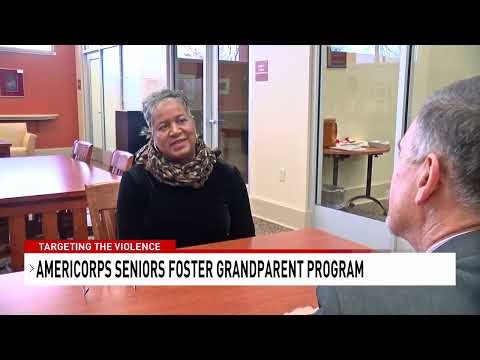
Senior Corps Foster Grandparent Program: The Senior Corps Foster Grandparent Program connects older adults with young children in need of extra support and mentorship. Foster grandparents serve as volunteers in schools, childcare centers, and other community settings, providing nurturing and guidance to children. By engaging in activities such as reading, tutoring, and mentoring, older adults make a positive impact on the lives of young individuals, helping them thrive academically and emotionally.
-
Intergenerational Gardening Programs: Intergenerational gardening programs bring together older adults and younger individuals to cultivate gardens and promote sustainable practices. These programs can take place in community gardens, schools, or senior living facilities. Participants of different ages work together, sharing knowledge and experiences in gardening, while also fostering a sense of responsibility for the environment and promoting healthy lifestyles.
-
Intergenerational Food Banks: Some communities have implemented intergenerational food bank initiatives, where older adults and younger individuals collaborate to address food insecurity. Older adults may contribute their time and expertise in organizing and distributing food, while younger volunteers can assist in logistics, technology, and raising awareness about hunger issues. These initiatives not only provide essential resources to those in need but also promote understanding and empathy between generations.
-
Intergenerational Volunteer Programs: Intergenerational volunteer programs encourage individuals of all ages to participate in community service activities together. These programs can involve a wide range of initiatives, such as environmental cleanups, disaster relief efforts, mentoring programs, and social service projects. By working side by side, older adults and younger individuals learn from each other, build relationships, and contribute to the betterment of their communities.