🎓 Lecture: Secondary Aging
Secondary aging refers to changes that are caused by illness or disease. These illnesses reduce independence, impact the quality of life, affect family members and other caregivers, and bring financial burden. The major difference between primary aging and secondary aging is that primary aging is irreversible and is due to genetic predisposition; secondary aging is potentially reversible and is a result of illness, health habits, and other individual differences.

Secondary aging refers to the aspects of aging that are not universally shared by everyone, but are brought about by disease or chronic illness.
In the United States, nearly one in two Americans (133 million) has at least one chronic medical condition, with most subjects (58%) between the ages of 18 and 64. The number is projected to increase by more than one percent per year by 2030, resulting in an estimated chronically ill population of 171 million. The most common chronic conditions are high blood pressure, arthritis, respiratory diseases like emphysema, and high cholesterol.
According to research by the Centers for Disease Control and Prevention, chronic disease is also especially a concern in the elderly population in America. Chronic diseases like stroke, heart disease, and cancer are among the leading causes of death among Americans aged 65 or older. While the majority of chronic conditions are found in individuals between the ages of 18 and 64, it is estimated that at least 80% of older Americans are currently living with some form of a chronic condition, with 50% of this population having two or more chronic conditions. The two most common chronic conditions in the elderly are high blood pressure and arthritis, with diabetes, coronary heart disease, and cancer also being reported at high rates among the elderly population. The presence of type 2 diabetes, high blood pressure, and obesity, is termed “metabolic syndrome” and impacts 50% of individuals over the age of 60.[15]Links to an external site.
The abnormal diseases of aging start with minor changes at the cell level of a particular organ and cause microscopic, damaging changes until they can be detected by a variety of tests and warning signs. They then emerge as a disease symptom in the patient. Let's look at a few of the conditions that you will commonly see in the elderly.
Lung Capacity - A Reduction in Aerobic Capacity

The lungs have two main functions. One is to get oxygen from the air into the body. The other is to remove carbon dioxide from the body. Your body needs oxygen to work properly. Carbon dioxide is a gas the body produces when it uses oxygen.
Aerobic Capacity is the amount of air you can exchange during exercise. The more you exercise the larger your aerobic capacity becomes.
The amount of air you can take in and force out reflects a true aging process. However, the normal lung will serve us well into late life.
Lung tissue gets stiffer with age, like a balloon left in the sun, so it won't expand to hold as much air; no matter what size you start with or how much you exercise, your lungs shrink about 40% between ages 20 and 80. To age successfully, one needs to develop a fairly adequate capacity while young. The singular most effective measures you can take to maintain healthy lungs are not smoking, quitting smoking, and exercising. (Astrand, 1960)
Most men start losing aerobic capacity--the ability to deliver oxygen to the muscle during exercise--around 20, and most women in their early 30s. By 65, it declines 30 to 40% in both men and women. But the decline is much less in people who exercise regularly.
Bone Density - Osteoporosis
The skeleton provides support and structure to the body. Joints are the areas where bones come together. They allow the skeleton to be flexible for movement. In a joint, bones do not directly contact each other. Instead, they are cushioned by cartilage in the joints, synovial membranes around the joint, and fluid.
Osteoporosis means bone (osteo) porous (porosis) or porous bone; caused by years of lifestyle-related habits; bones become spongy and soft.
Many things cause this soft, spongy bone condition: Reduced absorption due to an aging digestive system, cigarette smoking, lack of vigorous physical activity, estrogen deficiency in women, decreased calcium intake, carbonated drinks (the carbonation combines with calcium to eliminate it from the body) and genetics or family history. Some studies also point to a diet too high in protein as a contributing factor. (Bonjour, 2011)
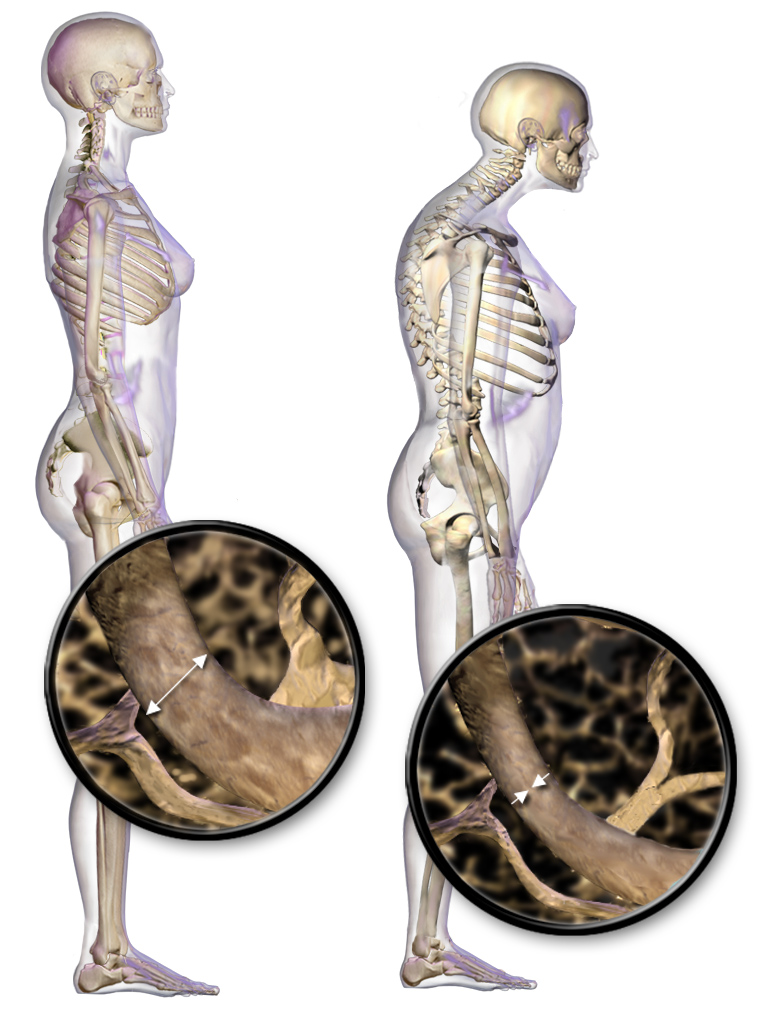
Osteoporosis is a chronic disease and is not a normal part of aging. Loss of bone mass can result in diminishing height, slumped posture, and dowager's hump (that rounding and hump between the shoulder blades seen in some elderly). Bones have reduced strength, making them more susceptible to fractures.
Bone fractures from falls are epidemic among older people (by age 75, about half of all women have sustained at least one fracture due to osteoporosis). Hip fractures in the elderly with osteoporosis are a common cause of death. When bones become soft, the weight of turning over in bed can often break a hip bone. The treatment demands several weeks in bed.
Look at the difference between the density of a healthy bone vs. an osteoporotic bone. One can see how easy it would be to break that osteoporotic bone and how much work it would take for the body to heal!
Structural changes can accompany age, particularly curvatures of the spine, including kyphosis and lordosis - curvatures OUT or IN or even sideways!
If you consider how YOU hold your bodies, what do you think you are training your posture to look like as you age? A new term I am seeing used to describe the image below, "Text-neck." So, watch your posture as you type!!

Arthritis is swelling or tenderness in the joints. One of the most common causes of joint pain and stiffness in older adults, the term arthritis is an umbrella term for over 100 different chronic conditions of the joints. Osteoarthritis and Rheumatoid arthritis are arthritic conditions we hear the most about. Osteoarthritis is the breakdown of the hard slippery tissue that covers the end of bones at the joint, caused by wear and tear on tendons and ligaments over the life course. Rheumatoid arthritis is an autoimmune disease where the lining of the joints become swollen as a part of an inflammatory response. Treatment of these two conditions is very different.

While arthritis can affect children, it is predominantly a disease of the elderly. Arthritis is more common in women than men at all ages and affects all races, ethnic groups and cultures. In the United States, a CDC survey based on data from 2007–2009 showed 22.2% (49.9 million) of adults aged ≥18 years had self-reported doctor-diagnosed arthritis, and 9.4% (21.1 million or 42.4% of those with arthritis) had arthritis-attributable activity limitation (AAAL). With an aging population, this number is expected to increase.
Arthritis is a term often used to mean any disorder that affects joints. Symptoms generally include joint pain and stiffness. Other symptoms may include redness, warmth, swelling, and decreased range of motion of the affected joints. In some types of arthritis, other organs are also affected. Onset can be gradual or sudden.
There are over 100 types of arthritis. Osteoarthritis (degenerative joint disease) and rheumatoid arthritis are the most common forms. Osteoarthritis usually increases in frequency with age and affects the fingers, knees, and hips. Rheumatoid arthritis is an autoimmune disorder that often affects the hands and feet. Other types include gout, lupus, fibromyalgia, and septic arthritis. They are all types of rheumatic disease
Treatment may include resting the joint and alternating between applying ice and heat. Weight loss and exercise may also be useful. Pain medications such as ibuprofen and paracetamol (acetaminophen) may be used. In some, a joint replacement may be useful.

Figure 14. Joint pain increases with age.
Opportunistic Diseases - Pneumonia
Many bed-ridden elderly die from pneumonia. When one is confined to a bed without movement, fluid accumulates in the lungs. Because of the lungs' moist and warm environment, it is a perfect place for bacteria to grow.
Often this can be prevented with deep breathing and coughing exercises while one is confined to bed rest. One reason for pneumonia vaccines is to prevent some types of bacteria, but it does not protect against all types.

Hypertension (High Blood Pressure, Congestive Heart Failure, and Stroke
I lump these diseases together because they are all caused by the same process- clogged or blocked arteries. In many places around the world, blood pressure doesn't rise with age, but it does in the US. (Mills, et al., 2016) While some people are born with a predisposition to high blood pressure, others are at risk because they are overweight and sedentary.
Heart disease is the leading cause of death from chronic disease for adults older than 65, followed by cancer, stroke, diabetes, chronic lower respiratory diseases, influenza and pneumonia, and, finally, Alzheimer’s disease (which we’ll examine further when we talk about cognitive decline). Though the rates of chronic disease differ by race for those living with chronic illness, the statistics for leading causes of death among the elderly are nearly identical across racial/ethnic groups.
Heart Disease
As stated above, heart disease is the leading cause of death from chronic disease for adults older than 65. Cardiovascular disease (CVD) is a class of diseases that involve the heart or blood vessels. CVD includes coronary artery diseases (CAD) such as angina and myocardial infarction (commonly known as a heart attack). Other CVDs include stroke, heart failure, hypertensive heart disease, rheumatic heart disease, cardiomyopathy, heart arrhythmia, congenital heart disease, valvular heart disease, carditis, aortic aneurysms, and peripheral artery disease, thromboembolic disease, and venous thrombosis.
The underlying mechanisms vary depending on the disease. Coronary artery disease, stroke, and peripheral artery disease involve atherosclerosis. This may be caused by high blood pressure, smoking, diabetes mellitus, lack of exercise, obesity, high blood cholesterol, poor diet, and excessive alcohol consumption. High blood pressure is estimated to account for approximately 13% of CVD deaths, while tobacco accounts for 9%, diabetes 6%, lack of exercise 6%, and obesity 5%.
It is estimated that up to 90% of CVD may be preventable. Prevention of CVD involves improving risk factors through healthy eating, exercise, avoidance of tobacco smoke, and limiting alcohol intake. Treating risk factors like high blood pressure, blood lipids, and diabetes is also beneficial. The use of aspirin in people, who are otherwise healthy, is of unclear benefit.
Beginning in early adulthood, our arteries become narrow, and the walls become more rigid. Of course, this process is accelerated by a lifestyle of inactivity and fatty foods.
As the walls become narrowed, the passage of blood becomes more difficult. This results in high blood pressure. As the pressure required to force blood through the arterial walls increases, it damages the walls. Platelets adhere to the damaged area, and clots form (thrombosis). These clots can completely block the blood flow to critical parts of the body.
If the block is in the heart, a heart attack results; if it happens in the brain, it results in a stroke.
Remember: The heart has a blood supply both inside and outside. If you close your fist and look at the vessels on the outside of your hand, that would be somewhat what the coronary arteries look like. It is the blockage of these arteries that cause a heart attack. Inside the heart (peek inside your closed fist) is where the heart receives and pumps blood to the rest of the body.
A weakening of the artery walls can also cause strokes and heart attacks. An aneurysm ( a broken or leaky artery or vein) results when the wall of the artery pops and leaks blood into the surrounding tissue. It is an immediate cause of death when this happens in the heart and causes severe swelling when it occurs in the brain. Swelling in the brain puts pressure on vital centers and can affect breathing, heartbeat, speech, or other functions.
In the absence of heart disease, the size of the heart in elderly people remains essentially the same as it was in middle age, or it may become slightly smaller. The decrease in heart size is mostly due to a reduction in the muscle mass or the size of the muscle (especially in the left ventricle or left side, where the pumping action is the strongest). The heart is about the size of your fist and is a muscle. Any muscle not used becomes atrophied and smaller. However, the heart is more prone to enlargement with age because hardening of the arteries (arterioscleroses) is so common in older persons.
Effects of High Blood Pressure?
Suppose you had a tube three inches in diameter and several feet long. If you poured a gallon of fluid through that tube, there would be a flow of pressure at the other end. Now, let’s say that the tube is now only 1/2 inch in diameter and several feet long. What might happen to the pressure at the other end if you pour the same amount of water through at the same rate? Right, it would be stronger. Thus as arteries clog, the tubes close, resulting in increased pressure. With increased pressure, the heart must work harder to pump blood into circulation. This creates back pressure and enlarges or stretches the heart much like an over-inflated balloon. The muscle then becomes weak and pumps less efficiently. With each beat of the heart, fluid is left in the chambers and, when full, backs up into the body.
What I have just described is the mechanism behind congestive heart failure. The heart can no longer pump out the blood sent to it from other parts of the body, and fluid accumulates in surrounding organs, especially the lungs. A person suffering from congestive heart failure will see early signs such as swelling in the ankles and shortness of breath. Left untreated, the person begins to drown in his/her own fluids. So, as you can see, you are as old as your arteries and veins.

There is also a reduction in the heart rate at rest and in the maximum heart rate during strenuous exercise with age. A resting heart rate declines steadily from about 140 beats per minute in a newborn to about 70 beats per minute in a young adult and generally decreases more after 60 years of age.
This decrease does not necessarily mean that physical activity needs to be reduced to match an aging cardiovascular system's capabilities. Individuals as old as 70 can increase their heart's functioning by following an endurance exercise training program.
Always make sure a physician has cleared an elderly person before beginning an exercise program. There may be underlying health problems that need to be addressed first. However, even if a program of regular exercise is not followed, the aging changes that occur in a person's heart generally do not hinder it from functioning adequately to maintain the reduced level of activity characteristic of most older persons. Only a disease condition reduces the capacity of the heart to maintain normal activities.
Hypertension and Stroke
Hypertension, high blood pressure, and associated heart disease and circulatory conditions increase with age. Stroke is a leading cause of death and severe, long-term disability. Most people who’ve had a first stroke also had high blood pressure (HBP or hypertension). High blood pressure damages arteries throughout the body, creating conditions where they can easily burst or clog. Weakened arteries in the brain, resulting from high blood pressure, increase the risk for stroke—which is why managing high blood pressure is critical to reduce the chance of having a stroke. Hypertension disables 11.1 percent of 65 to 74 year olds and 17.1 percent of people over 75. Rates are higher among women and blacks. Rates are highest for women over 75. Coronary disease and stroke are higher among older men than women. The incidence of stroke is lower than that of coronary disease, but it is the No. 5 cause of death and a leading cause of disability in the United States.
Cholesterol Levels
Although levels of fats in the blood have little direct connection to age, they do tend to rise as we get older, mostly because of the eating and exercise habits we develop. You can lower levels of "bad fat" (called low-density lipoproteins or LDL)) with a low-fat diet and raise levels of "good fat" (called high-density lipoproteins (HDL) ) by exercising, reducing body fat, quitting smoking, and drinking only moderate amounts of alcohol. (Felix-Redondo, et al., 2013)
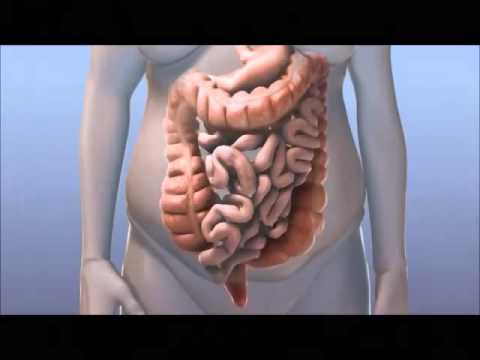
Digestive Changes
Although it is true that the aging digestive system may work less efficiently with aging, the changes that occur are usually minor. Such changes may include:
- slowing peristalsis - the action of the muscles which move food through the digestive system
- reduced acid production
- an impaired ability to absorb some nutrients
Because of these changes, older people are more prone to constipation as the food bolus sits in the digestive system longer and water is absorbed from it. This makes the stool harder. A diet high in bulk will correct this problem. Bulk is that part of food that does not digest. It gives content to your bowel movement and prevents constipation. Foods that are low in bulk (white flour products, for example) can cause constipation. We obtain bulk by eating fruits, veggies, and whole grains. (Farfan, et al. 1991)
Muscle Mass
The average American adult, a sedentary person, loses about 6 -1/2 pounds of lean body mass every ten years. Most of the loss comes from shrinking muscle. Remember, nature has little tolerance for things that do not continue to grow. When they stop growing, they begin to decline to return to the cycle of life. (Baumbartner, et al, 1999). For a variety of reasons--mainly too much sitting around--the rate of loss speeds up after age 45. Building muscle may be the best single strategy for a long, healthy life because it:
- increases your strength, so you move around better
- edges out fat, thus reducing the risk of developing a chronic disease
- increases metabolism, so you burn calories faster
- fine-tunes the body's ability to use insulin, so you're at lower risk of diabetes
People aged 80 who run and swim may have a higher proportion of lean body mass when compared to others their age, but the proportion is still smaller than a 30-year-old's

Reproductive Health
As we age, all adults leaving their reproductive years will experience some evidence of climacteric - a syndrome of changes, both behavioral and physical. (Cagnacci et al., 2015)
The Aging Female
For the aging female, the period of climacteric is called menopause.

The reduction of hormones can manifest in physical changes, like the reduction of breast tissue volume which can cause sagging. Changes to the vagina include a reduction in secretions and thinning of the vaginal walls which can create pain during intercourse. Women may also experience hot flashes, mood swings, and volatile emotions. Some find relief through hormone replacement therapy (HRT), but there are risks involved with this solution, including increased risk for breast cancer, heart disease, stroke, and pulmonary embolism (a blood clot in the lung). (Archer et. al, 2009)
Later life complications with female reproductive systems include increased risks of cancer. Ovarian cancer Links to an external site.is most likely to occur in post-menopausal women over age 66 (Allen and Roberto, 2014). While incidents of ovarian cancer are rare, it often goes undetected and spreads throughout the pelvic region making it very difficult to treat. (Mayo Clinic, 2019)
Breast and cervical cancer are more common and more easily detected through regular examinations. Not age-specific, women of all ages are vulnerable to these conditions, and frequent testing has led to reductions in the number of undiagnosed cases. What are the risk factors?
Cervical cancer According to the American Cancer Society, the risk factors for cervical cancer include:
- exposure to the Human Papilloma Virus (HPV) or chlamydia
- high-risk sexual history, reproductive history (multiple full-term pregnancies, very young first-term pregnancies)
- smoking
- having a weakened immune system, poor diet and lack of healthcare screening
- long term use of oral contraceptives
Most breast cancers are found in women over age 50. Those at the highest risk are women with a family history of breast cancer. According to the Centers for Disease Control, the risk factors for breast cancer include:
- age
- reproductive history(early menstrual periods before age 12, and starting menopause after age 55
- having dense breast tissue (more connective than fatty tissue can make it hard to read mammograms)
- personal history or family history of breast cancer (mother, sister or daughter)
- previous treatment using radiation therapy (having multiple radiation treatments in the chest region for coditions like Hodgkin's Lymphoma) before the age of 30.
- exposure to diethylstilbestrol (DES) a drug administered to prevent miscarriage between 1940 and 1971.
The Aging Male
Men experience a phenomenon called "andropause," which marks a decrease in testosterone and libido, but they remain fertile barring injury or illness. There are changes that occur at the hormone level that can impact both health and life satisfaction. A reduction in testosterone may bring with it a reduction in frequency of sexual activity, and a lengthening of the refraction period - that recovery phase after orgasmLinks to an external site. during which it is physiologically impossible for a man to have additional orgasms. For example, 18-year-old males have a refractory period of about 15 minutes, while those in their 70s take about 20 hours, with the average for all men being about half an hour.

There are some late-life conditions that can impact men's health, including benign prostatic hyperplasiaLinks to an external site.. Nearly 50 percent of all men over age 50 have some prostate gland enlargement. This swelling can cause difficulty with urination and is bothersome but not life-threatening. Of greater concern is prostate cancer - one of the most common forms of cancer - where abnormal tissues in the prostate can metastasize and cause life-threatening illnesses. It is essential that all men have prostate exams performed by their medical practitioner on an annual basis after age forty. (Crawford, 2003)
Perhaps the condition that gets the most media attention is erectile dysfunction. The inability to maintain an erection sufficient for penetration or sexual intercourse (Masters & Johnson 1966), has developed into a multi-billion-dollar industry. In 2015, erectile dysfunction advertising expenditures of the two leading producers, Pfizer (Viagra) and Eli Lily (Cialis) reached $355 billion. (Reshadi, 2020)
Once considered psychological in nature, erectile dysfunction can be caused by numerous factors including stress, diet, alcohol and drug consumption and be the result of medication complications. It is safe to say that 100% of men will experience ED at some time in their lives, but the reasons will vary. One study found that 12% of men under age 59 experienced ED, but with each decade of life that incidence increased by approximately ten percent. (Bacon et. al, 2003)
Cancer -
Age in itself is one of the most important risk factors for developing cancer. Currently, 60% of newly diagnosed malignant tumors and 70% of cancer deaths occur in people aged 65 years or older. Many cancers are linked to aging; these include breast, colorectal, prostate, pancreatic, lung, bladder and stomach cancers. Men over 75 have the highest rates of cancer at 28 percent. Women 65 and older have rates of 17 percent. Rates for older non-Hispanic Whites are twice as high as for Hispanics and non-Hispanic Blacks. The most common types of cancer found in men are prostate and lung cancer. Breast and lung cancer are the most common forms in women.
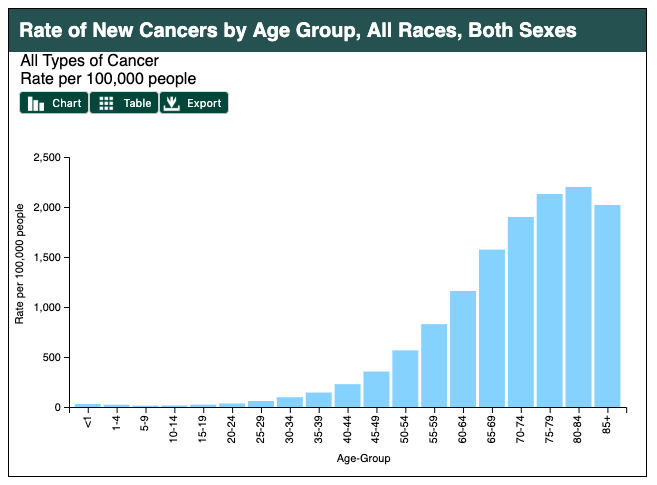
Figure 12. Age is a risk factor for cancer development. Source: https://gis.cdc.gov/Cancer/USCS/DataViz.html.
For many reasons, older adults with cancer have different needs than younger adults with the disease. For example, older adults:
- May be less able to tolerate certain cancer treatments.
- Have a decreased reserve (the capacity to respond to disease and treatment).
- May have other medical problems in addition to cancer.
- May have functional problems, such as the ability to do basic activities (dressing, bathing, eating) or more advanced activities (such as using transportation, going shopping or handling finances), and have less available family support to assist them as they go through treatment.
- May not always have access to transportation, social support or financial resources.
- May have different views of quality versus quantity of life

Figure 13. Cancer rates are significantly higher for those above age 65, and is more common in men than in women.
Diabetes
Type 2 diabetes (T2D), formerly known as adult-onset diabetes, is a form of diabetes characterized by high blood sugar, insulin resistance, and relative lack of insulin. Common symptoms include increased thirst, frequent urination, and unexplained weight loss. Symptoms may also include increased hunger, feeling tired, and sores that do not heal. Often symptoms come on slowly. Long-term complications from high blood sugar include heart disease, strokes, diabetic retinopathy which can result in blindness, kidney failure, and poor blood flow in the limbs which may lead to amputations.
Type 2 diabetes primarily occurs as a result of obesity and lack of exercise. Some people are more genetically at risk than others. Type 2 diabetes makes up about 90% of cases of diabetes, with the other 10% due primarily to type 1 diabetes and gestational diabetes. In type 1 diabetes there is a lower total level of insulin to control blood glucose, due to an autoimmune induced loss of insulin-producing beta cells in the pancreas. Diagnosis of diabetes is by blood tests such as fasting plasma glucose, oral glucose tolerance test, or glycated hemoglobin (A1C).
Type 2 diabetes is partly preventable by staying a normal weight, exercising regularly, and eating properly. Treatment involves exercise and dietary changes. If blood sugar levels are not adequately lowered, the medication metformin is typically recommended. Many people may eventually also require insulin injections. In those on insulin, routinely checking blood sugar levels is advised; however, this may not be needed in those taking pills. Bariatric surgery often improves diabetes in those who are obese.
Rates of type 2 diabetes have increased markedly since 1960 in parallel with obesity. As of 2015 there were approximately 392 million people diagnosed with the disease compared to around 30 million in 1985. Typically it begins in middle or older age, although rates of type 2 diabetes are increasing in young people. Type 2 diabetes is associated with a ten-year-shorter life expectancy.

Figure 15. In 1990, 2.52% of the total population had diabetes. It’s now 9% of total, 12% of adults. It’s estimated that 25% of adults will have diabetes in the US by 2030, 33% by 2050.
Healthy Changes over the Lifecourse
Each of our organs and systems changes as we age. Some biologists say that we spend the first 29 years of our lives growing and maturing. Once we hit 29 years old, they say, we start losing 2% of our overall function each year. That sort of scares me because, at 54, I have theoretically lost 20% of my optimum function. I like to believe that their numbers were based on old statistics, and I am actually functioning better than ever! The reality is that I have a better diet and healthier lifestyle than many 54-year-olds that have come before me. So, I may actually be in MUCH better shape than my old research friends would say. This is consistent with more recent findings that indicate that the Baby Boom population will change the concept of biological deterioration just because they have taken better care of their "machine" than their predecessors.
As we wrap up the lecture, let's take a look at one final video.

and finally, let's wrap up our learning with this awesome video!